Industrial machine guarding · Oxfordshire based · UK-wide projects

Call 01865 416840   ·   sales@oxfordmachineguards.co.uk

Bottle and rigid-container packaging

Bottling Line Guards

Integrated guarding for bottle rinsing, filling, capping, sealing, labelling, coding, inspection and conveying—designed around product flow and operator access.

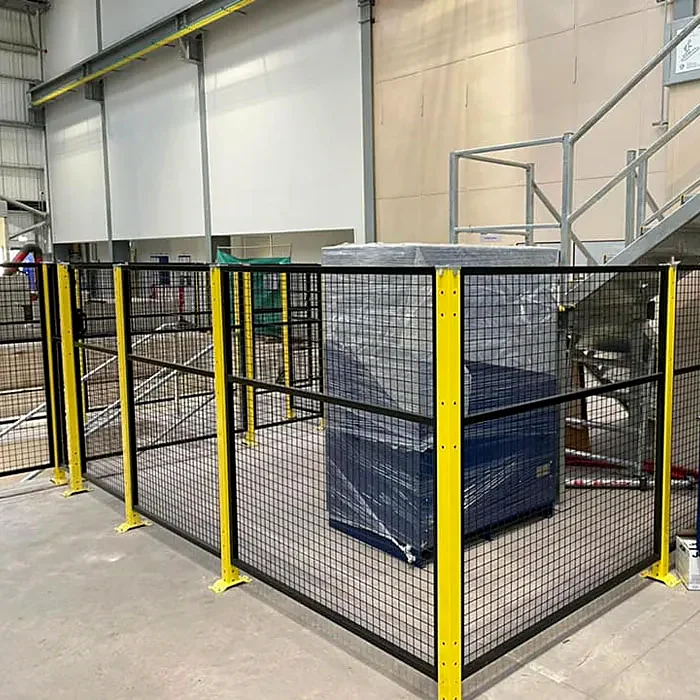
Black mesh fencing with yellow posts around a wrapped load beside factory stairs.
Project coverageOxfordshire based · UK-wide
Delivery scopeSurvey to installation
ApplicationsNew lines and retrofits
Design basisHazard · access · response

Direct answer

What does a bottling-line guarding project cover?

A bottling-line guarding project reviews the complete route from container infeed to end-of-line discharge. It can include fixed and movable guards, clear viewing panels, interlocked access, conveyor transfer protection and agreed changes to stopping, reset and restart behaviour.

Send photographs or arrange an engineering review →

Technical context

HSE identifies pre-formed rigid-container packaging machinery and connected conveyor hazards as areas requiring application-specific safeguarding. Read the HSE packaging machinery guidance.

This page is general guidance; the safeguarding solution must be based on the specific machine and current risk assessment.

Guard the connected line, not six isolated machines.

Bottle lines create hazards where individual machines meet: star wheels, timing screws, transfer plates, side belts, cap-feed equipment and conveyor openings. A guard added to one machine can leave a reach route through the next section unless the interfaces are reviewed together.

We map the container path, foreseeable interventions and existing control zones before developing the boundary. This supports a layout that protects operators without obscuring fill levels, cap presentation, label application or reject performance.

  • Star-wheel and scroll-feed access
  • Nozzle, piston and pump movement
  • Cap chutes, elevators and capping heads
  • Conveyor transfers and accumulation points

Preserve changeover, cleaning and fault recovery.

Bottle, closure and label changes can require repeated access along the line. Doors and removable panels are positioned around the actual change-part route, cleaning method and maintenance task rather than around a generic frame layout.

Where a door is opened frequently, the required machine response, stopping time and reset position must be defined. Guard locking may be relevant where dangerous movement does not stop before access can be gained.

  • Format and guide-rail changes
  • Product and CIP cleaning constraints
  • Label reel and ribbon replacement
  • Jam clearing and reject-bin access

Plan retrofits around the live production environment.

Existing bottling lines often contain equipment from several manufacturers and different control generations. A retrofit therefore needs agreed responsibility for mechanical guarding, electrical interfaces, software changes and the effect of the modification on the assembled line.

Accurate survey information allows frames and panels to be manufactured off site, reducing installation time. The shutdown plan can be divided into zones where the process and temporary boundaries allow it.

  • Measured line and access layout
  • Existing guard and interlock condition
  • Safety-control interface review
  • Phased installation and handover scope

Engineering decisions

What must be resolved before manufacture.

The guarding, access and machine response are designed as one safeguarding system.

01 / Container flow

Openings must pass the intended bottle or jar without providing an avoidable reach route.

02 / Visibility

Clear panels support fill, cap, label and reject monitoring while maintaining separation.

03 / Access frequency

Routine changeovers need a different access strategy from infrequent maintenance.

04 / Stop zones

The safe response may involve one machine, a line section or connected upstream and downstream equipment.

05 / Hygiene

Materials, edges, drainage and fasteners should suit the product and cleaning regime.

06 / Expansion

Allow for new formats, conveyors or inspection equipment where future changes are known.

Application map

Hazard and safeguarding priorities.

This table supports early project scoping; it does not replace a machine-specific assessment.

Area or machineTypical concernDesign priority
Container infeed and rinseRotating tables, star wheels, grippers and wet surfacesClear fixed guards, controlled access and cleanable details
Filling and cappingNozzles, pistons, pumps, heads, belts and cap feedMachine-mounted enclosure with task-led doors
Labelling and inspectionRollers, applicators, reject devices and conveyor nipsHigh visibility, reel access and protected reject zones
Line transfersNips, trapping, accumulation and openingsInterface guards, tunnels and coordinated stopping

Direct answers

Questions about bottling line guards.

Clear early answers help define the right survey, design and installation scope.

Can you retrofit guards to an existing bottling line?

Yes, subject to survey and an agreed modification scope. Mixed-OEM lines are common, so control interfaces and responsibilities need to be defined as well as the physical guarding.

Can operators still see fill levels, caps and labels?

Yes. Clear polycarbonate panels and carefully positioned doors can preserve process visibility while panel grade, thickness, chemical exposure and impact requirements are selected for the application.

Can one interlocked door stop only part of the line?

Potentially. The required stop zone depends on the hazard, machine interfaces, stopping behaviour and the ability to restart safely. It must be engineered for the specific line.

What should we send for a first review?

Send overall and close-up photographs, a line layout, machine makes and models, known hazards, current controls, changeover tasks, site postcode and preferred shutdown dates.

Related systems

Continue the guarding review.

Packaging hazards often cross machine boundaries, so connected equipment and access tasks should be reviewed together.

Discuss your project

Discuss your bottling line guarding project.

Send photographs, a line layout or a short description. We will help define whether the right next step is a desktop review, site survey or guarding concept.

What should a packaging-line guarding brief include?

Map the connected machines, transfers and operating tasks across the line. Include replenishment, format changes and maintenance access in the competent safeguarding review. Define the boundaries between retained and new equipment so the proposed guarding and control arrangement can be assessed for the complete working process.

Related guidance: Complete line guarding · Survey and design

Representative application photography.

Call 01865 416840Send enquiry