Industrial machine guarding · Oxfordshire based · UK-wide projects

Call 01865 416840   ·   sales@oxfordmachineguards.co.uk

Controlled access to packaging hazards

Interlocked Machine Guards

Interlocked guard doors engineered so access, stopping behaviour, reset and restart are considered as one safeguarding function.

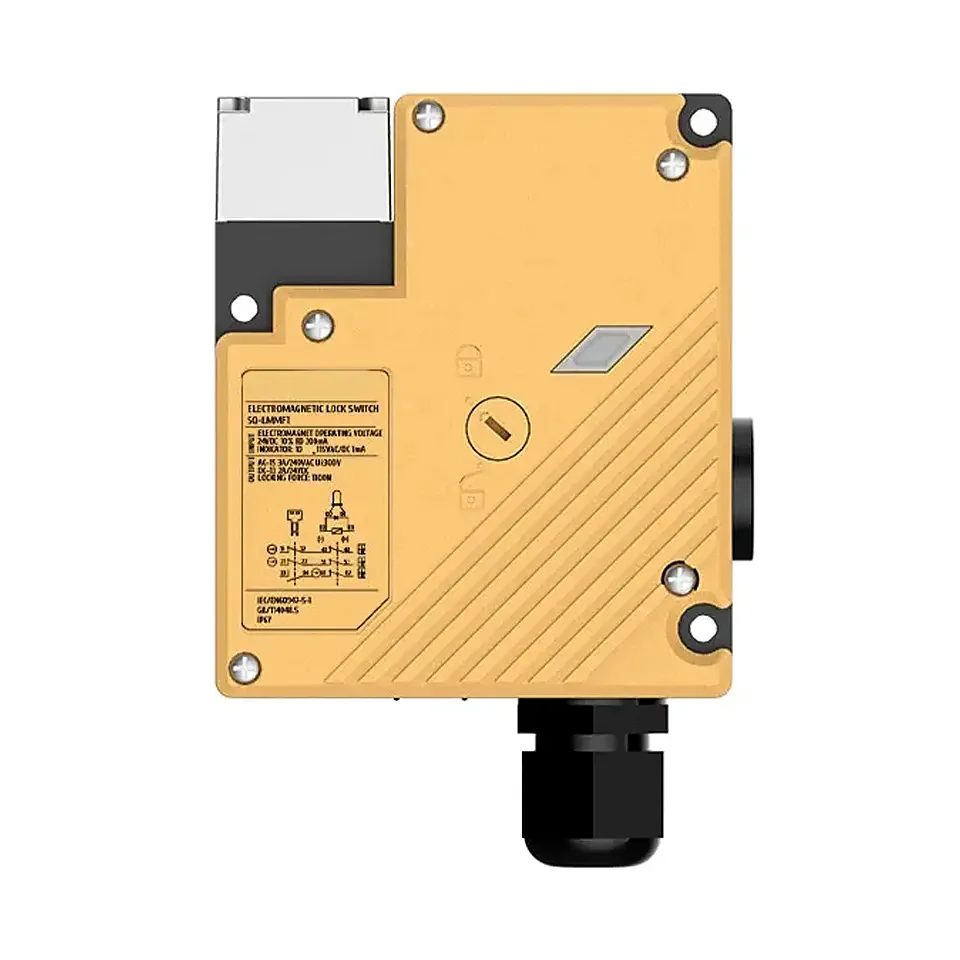
Yellow machine-guard interlock unit shown against a white background.
Project coverageOxfordshire based · UK-wide
Delivery scopeSurvey to installation
ApplicationsNew lines and retrofits
Design basisHazard · access · response

What is an interlocked machine guard?

An interlocked guard is connected to the machine control system so hazardous operation is prevented or stopped when the guard is not closed. It is used where operators need repeat access and a fixed guard would make the task impractical.

The interlock is only one part of the solution. Door construction, reach around the opening, stopping time, retained energy, defeat resistance and the position of reset controls all influence whether access is safely controlled.

  • Access frequency and task
  • Machine stopping time
  • Reach and whole-body entry
  • Foreseeable defeat or bypass

When is guard locking considered?

Guard locking may be required where the hazard cannot reach a safe condition before a person could enter, including machinery with run-down time or retained pressure, heat or movement. The release principle also needs to suit power loss and emergency conditions.

Device selection should follow the risk assessment and required safety performance. Oxford Machine Guarding can provide the physical guard and agreed access hardware, with specialist safety-control validation included only where defined within the project team.

  • Run-down and safe-stop behaviour
  • Power-to-lock or power-to-unlock assessment
  • Emergency release where required
  • Mechanical mounting and alignment

Reset and restart need deliberate design.

Closing a guard should not create an unexpected restart. Reset locations should support a clear view of the protected zone, and whole-body access may require additional measures to prevent a person being trapped or overlooked.

On connected packaging equipment, the design also establishes which machines stop when a door opens and how upstream or downstream zones are affected. These interface decisions should be recorded before manufacture.

  • No unexpected restart
  • View of the safeguarded space
  • Zone and conveyor interfaces
  • Recorded functional requirements

At a glance

What the design resolves.

Every arrangement is developed around the real machine, operating task, environment and required response.

Door geometry

Rigid frames, controlled gaps and durable alignment around repeated access.

Interlock mounting

Protected, adjustable mounting designed for the selected access device.

Guard locking

Considered where stopping time or retained energy delays safe access.

Reset strategy

Reset, restart and line-zone behaviour defined with the machine response.

Survey to handover

One controlled project pathway.

Scope boundaries and machine interfaces are agreed before manufacture and installation.

Survey

Record machinery, hazards, access routes, interfaces and site constraints.

Design

Develop the physical boundary, materials, access points and agreed control scope.

Manufacture

Fabricate frames, panels, doors and mounting details away from production.

Install

Fit the system within the agreed shutdown and coordinate machine interfaces.

Handover

Complete agreed checks and provide project and inspection information.

Direct answers

Questions about interlocked machine guards.

Clear answers help buyers and engineering teams define the right next step.

Does every machine guard door need an interlock?

No. The safeguard depends on the risk assessment, access frequency and ability to reach the hazard. Frequently opened access points around hazardous movement commonly require interlocking; fixed or tool-removable guarding may suit other areas.

What is the difference between an interlock and guard locking?

An interlock monitors the guard position and affects machine operation. Guard locking also holds the guard closed until defined safe-release conditions are met.

Can interlocks be added to existing guard doors?

Potentially. The door, hinges, latch, frame rigidity, device mounting and machine safety controls must all be suitable. A survey is needed before confirming a retrofit.

Can one door stop only part of a packaging line?

Sometimes. Zoned stopping can preserve production elsewhere, but the hazard interfaces, conveyor transfers and restart conditions must be engineered for the complete assembly.

Related guidance

Continue the guarding review.

Explore connected project requirements and machine-specific guarding.

Discuss your project

Start with the machine, task and hazard.

Send photographs, a line layout and a short description. We will help define whether the right next step is a desktop review, site survey or guarding concept.

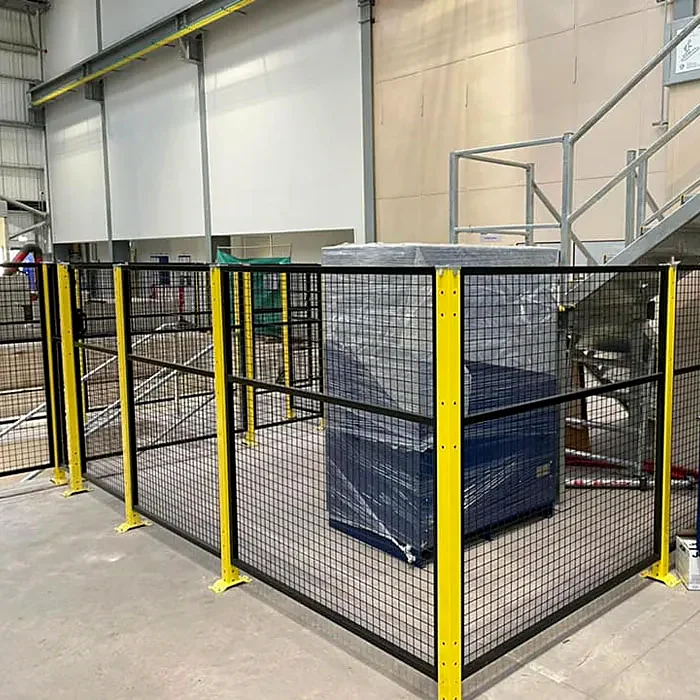
Representative application photography.

Call 01865 416840Send enquiry