Survey
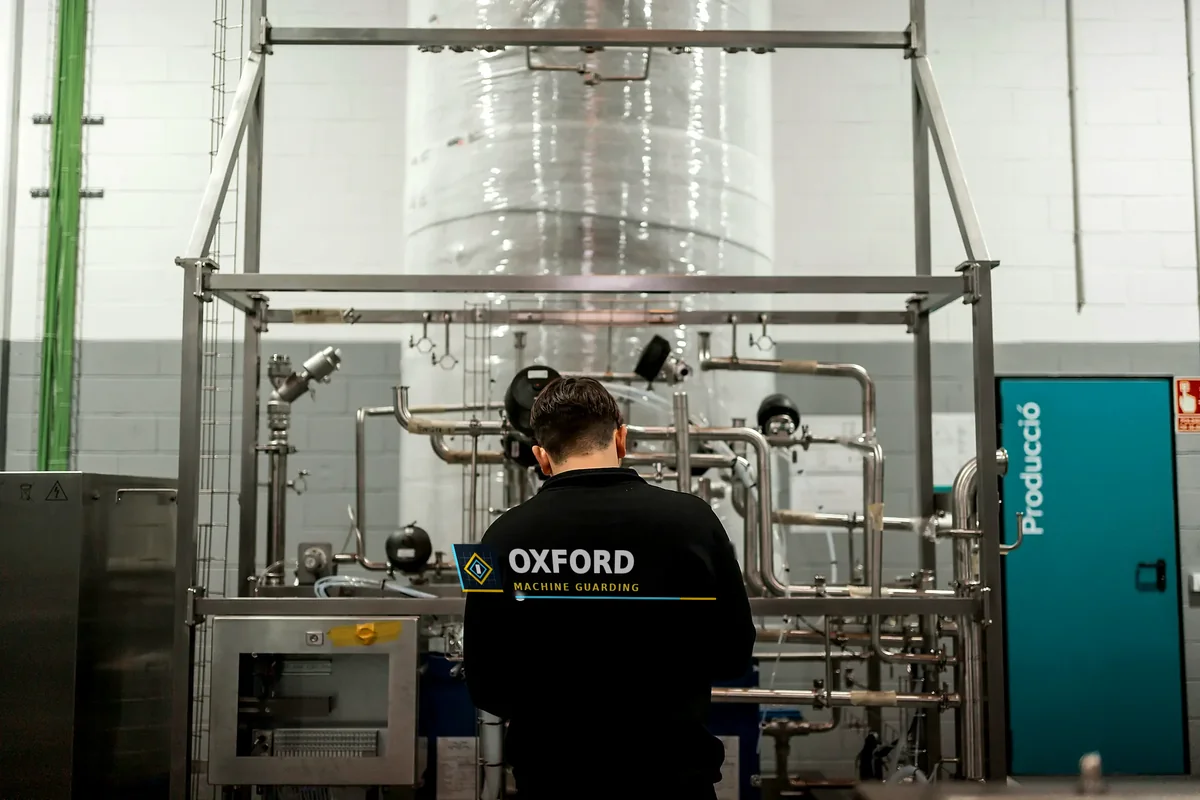
Observe machinery, hazards, tasks, access routes, interfaces and stopping behaviour.

Survey to handover
A controlled engineering pathway from the first machinery review to installed guards, agreed testing and project handover.
Project pathway
Machine guarding works when the hazard, access task and required machine response are developed together.
Observe machinery, hazards, tasks, access routes, interfaces and stopping behaviour.
Develop the guarding arrangement, materials, access points and safety-function scope.
Fabricate frames, panels, doors, infills and mounting details away from production.
Plan the shutdown, fit the system and integrate agreed interlocks or protective devices.
Record the agreed checks, provide project information and explain inspection needs.
01 · Survey and risk review
We begin with the machinery boundary, operating modes and reasons people approach the equipment. Normal running is only part of the picture: format change, replenishment, cleaning, jam recovery, fault finding and maintenance frequently determine the most important access points.
The survey can record physical dimensions, hazards, current guards, stopping behaviour, services, product openings, available fixing points and installation constraints. Existing drawings and control information are reviewed where available.
02 · Mechanical and safety design
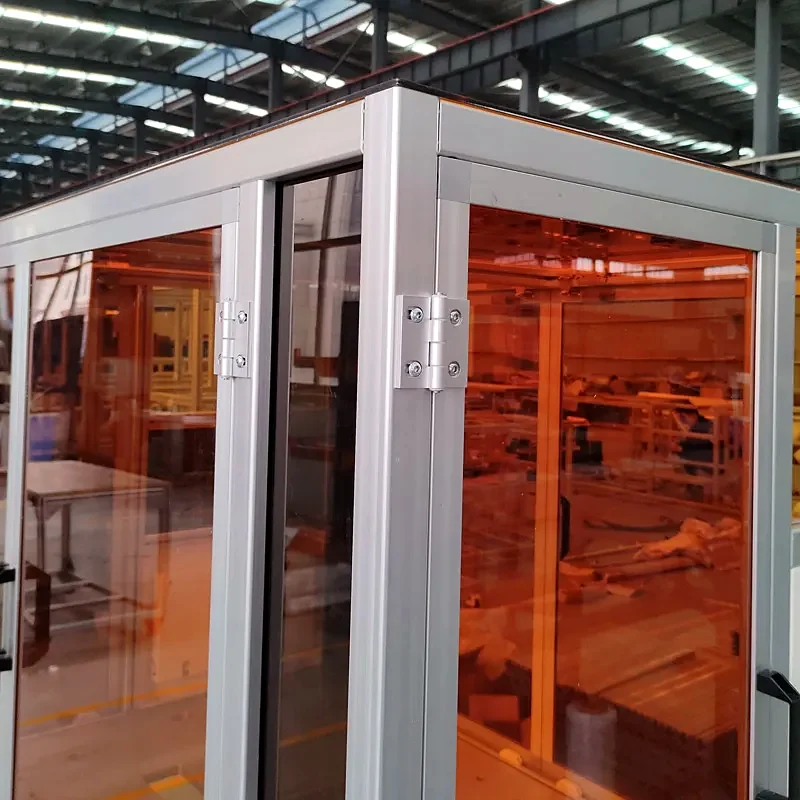
The design stage defines the frame layout, panel materials, access doors, removable sections, product openings, fixings and interfaces with the machine. Clearances are checked for controls, services, change parts and maintenance routes.
Where interlocking or protective devices form part of the scope, the safety-function requirement identifies the initiating condition, affected hazards, intended safe state, reset and restart behaviour, and validation criteria. Device selection follows the requirement.
03 · Manufacture
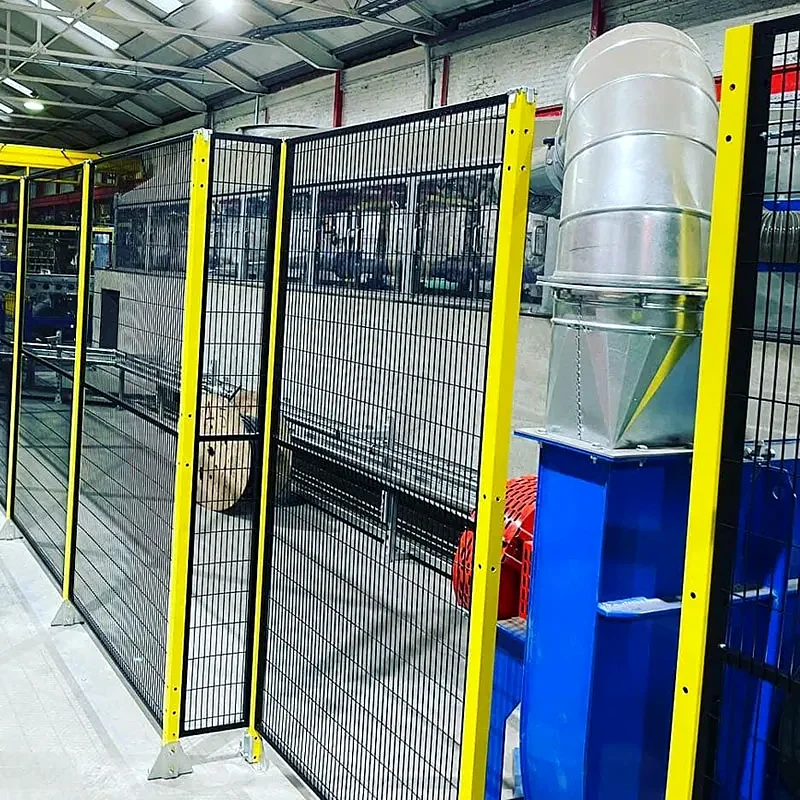
Frames, posts, doors, mesh, clear panels, sheet infills and brackets are prepared to the approved design. Material and finish are selected for the environment, including washdown, corrosion, impact, dust or product-exposure requirements.
Off-site preparation reduces cutting and fabrication around live production areas. Assemblies can be identified by zone so installation follows the agreed sequence.
04 · Installation and commissioning
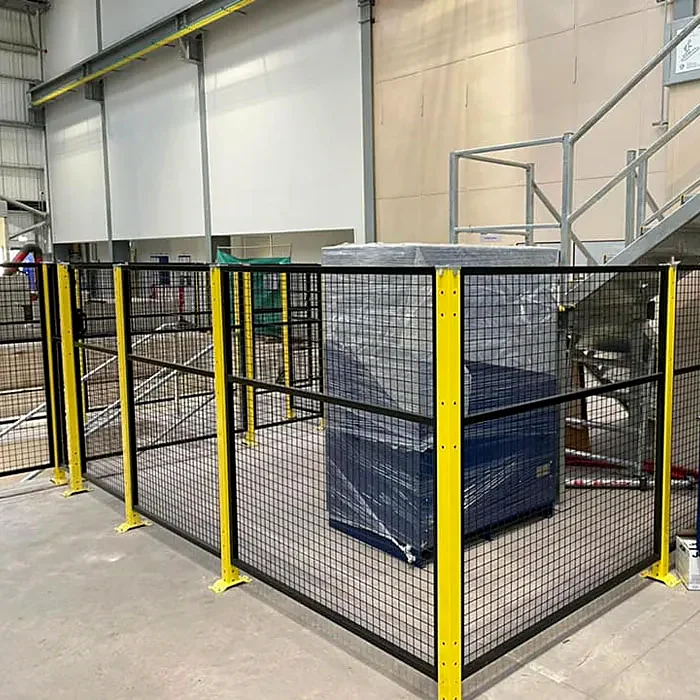
Installation sequencing, isolation, access equipment, waste control and restart timing are agreed before the shutdown. Mechanical installation and any safety-control integration are coordinated so the complete zone can be checked before return to service.
Testing is carried out against the agreed project requirements. Handover can record the work completed, device and drawing information, test evidence, inspection needs and any residual actions allocated to the responsible party.
Direct answers
Early decisions about access, stopping and machine interfaces shape the whole guarding project.
Yes. A site survey can record the machine geometry, hazards, access tasks, environment, controls, installation constraints and information needed to define the next engineering stage.
Yes. Accurate dimensional information allows frames, panels, doors and infills to be prepared away from production, reducing on-site fabrication and helping shorten the installation window.
They can be included within one defined project scope. The required safety functions, interfaces, device architecture and validation responsibility must be agreed before detailed design.
Handover content is project-specific and may include drawings, component information, test records, inspection guidance and a record of agreed assumptions or residual actions.
Discuss your project
Share the line layout, photographs, site location and shutdown objectives. We will help define the right first engineering step.
Representative application photography. Garment branding in the site-survey photograph is digitally retouched.
Planning a guarding project?
Send photographs, a layout and a short description. Oxford Machine Guarding will help define whether the next step is a desktop review, site survey or guarding concept.