Industrial machine guarding · Oxfordshire based · UK-wide projects

Call 01865 416840   ·   sales@oxfordmachineguards.co.uk

Packaging conveyors and transfer systems

Packaging Conveyor Guards

Guarding for drives, sprockets, transfers, side belts, accumulation points, underside access and openings between connected packaging machines.

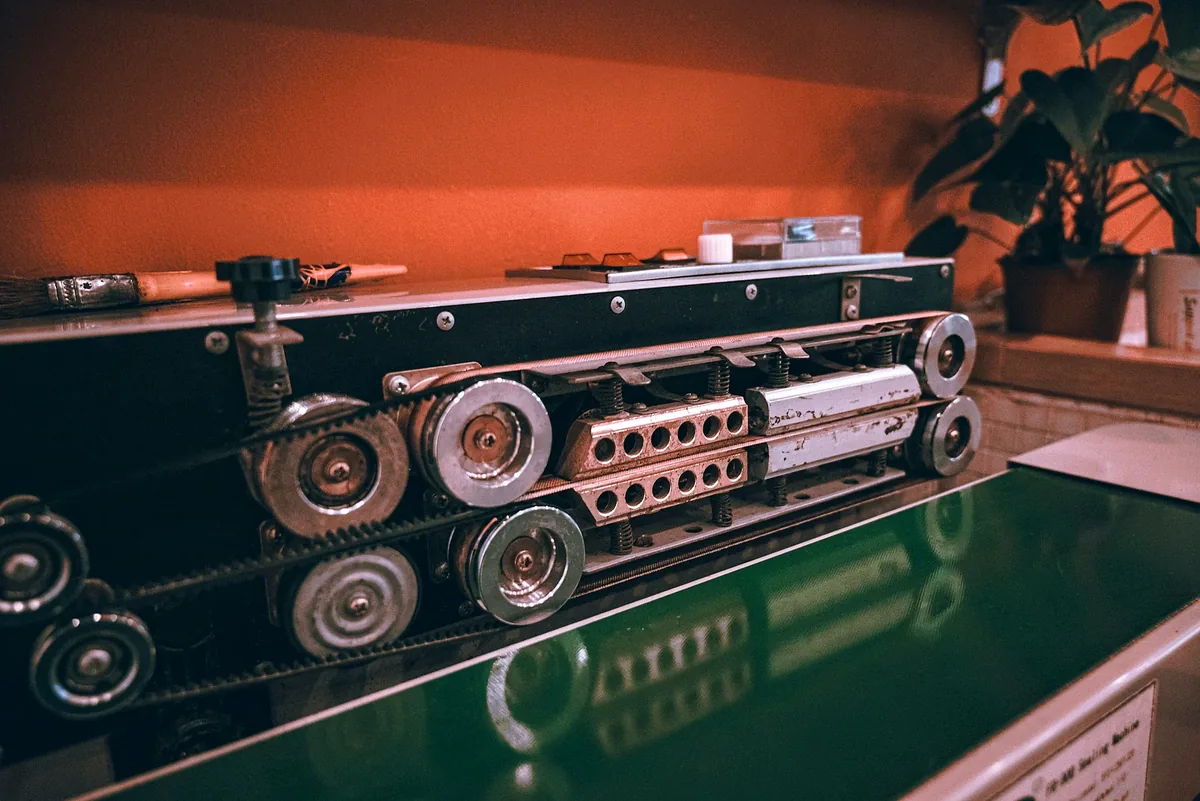
Exposed rollers, gears and belt on industrial machinery.
Project coverageOxfordshire based · UK-wide
Delivery scopeSurvey to installation
ApplicationsNew lines and retrofits
Design basisHazard · access · response

Find every nip and drawing-in point.

A packaging conveyor is not safe merely because its belt moves slowly. End rollers, drives, return runs, tensioners, side transfers, guide mechanisms and accumulation devices can create trapping, crushing and drawing-in hazards.

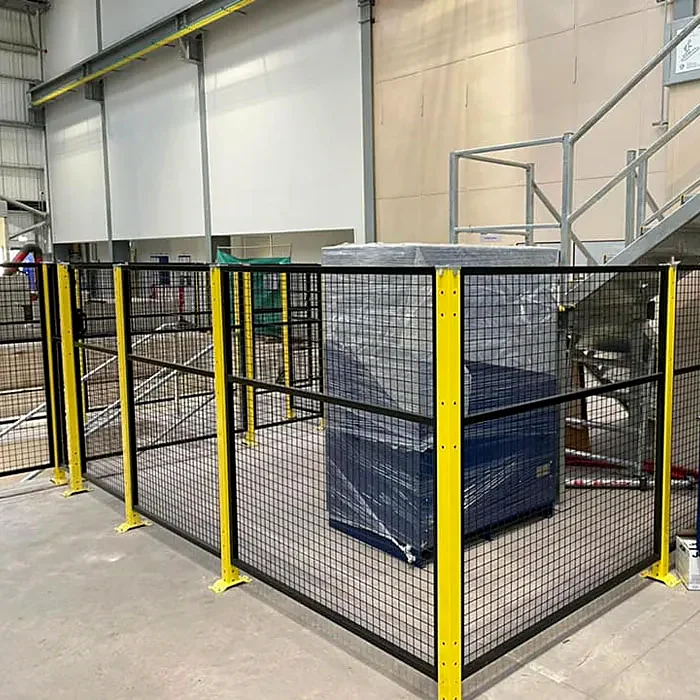
We trace the conveyor above, below and between machine frames. Fixed guards, mesh panels, sheet covers and local access doors are then positioned around the reach routes that exist in the real installation.

  • Drive chains, sprockets and end rollers
  • Return runs and underside access
  • Transfers, dead plates and side belts
  • Powered guides, stops and accumulation devices

Control openings without blocking product flow.

Containers and packs need a clear path between safeguarded zones. Product openings are sized and positioned with the hazard distance in mind, and may use tunnels, side infills or additional protective devices where a simple aperture cannot provide adequate separation.

The design also considers rejected products, fallen containers and routine cleaning. If operators regularly reach through an opening to recover product, the intended recovery task needs a safer engineered method.

  • Reach over, under, around and through openings
  • Tunnels and side infills at line boundaries
  • Reject and fallen-product recovery
  • Cleaning access beneath and alongside conveyors

Define conveyor behaviour during access.

Conveyors often span several machines and stop zones. An interlocked gate may need to stop local drives, upstream feed and downstream accumulation while preventing an unexpected restart elsewhere on the line.

Whole-body access, hidden zones and long conveyor runs require particular attention to reset location, emergency stops, isolation and visibility. The controls scope is agreed before devices are selected.

  • Local and line-wide stop zoning
  • Reset position and visibility
  • Whole-body access and trapped-person risk
  • Isolation for cleaning and maintenance

Application review

Key design decisions.

These questions are resolved together because access, physical guarding and the machine response are interdependent.

Underside

Check return belts, drives, tensioners and low-level access.

Transfers

Resolve gaps where conveyors meet fillers, cappers and labellers.

Recovery

Provide a safe method for jams, fallen packs and cleaning.

Zoning

Coordinate stop and restart behaviour across long conveyor sections.

Survey to handover

One engineering process.

The precise scope is agreed before work begins and adapted to the machine, site and modification boundary.

Survey

Observe machinery, hazards, tasks, access routes, interfaces and stopping behaviour.

Design

Develop the guarding arrangement, materials, access points and safety-function scope.

Manufacture

Fabricate frames, panels, doors, infills and mounting details away from production.

Install

Plan the shutdown, fit the system and integrate agreed interlocks or protective devices.

Handover

Record the agreed checks, provide project information and explain inspection needs.

Direct answers

Questions about packaging conveyor guards.

Early decisions about access, stopping and machine interfaces shape the whole guarding project.

Do slow packaging conveyors need guards?

Speed alone does not determine the risk. Torque, trapping geometry, access frequency, exposed drives and the severity of possible injury all need to be considered.

How can products pass through a perimeter guard?

The opening can use suitable distance, a guarding tunnel, shaped infills or protective devices. The correct arrangement depends on product size, conveyor position and proximity of the hazard.

Can the underside of a conveyor be left open?

Only where the assessment confirms hazardous parts cannot be reached and there are no other significant risks. Return runs, drives, rollers and access from adjacent walkways should be checked.

Can conveyor guarding include access for cleaning?

Yes. Hinged, removable or interlocked sections can be designed around the cleaning task, provided the required isolation and safe machine state are clearly defined.

Related systems

Continue the guarding review.

Packaging hazards rarely stop neatly at the edge of one machine. Review the connected equipment and transfer points too.

Discuss your project

Discuss your packaging conveyor guards project.

Send photographs, a line layout or a short description. We will help define whether the right next step is a desktop review, site survey or guarding concept.

Representative application photography.

Call 01865 416840 Send enquiry