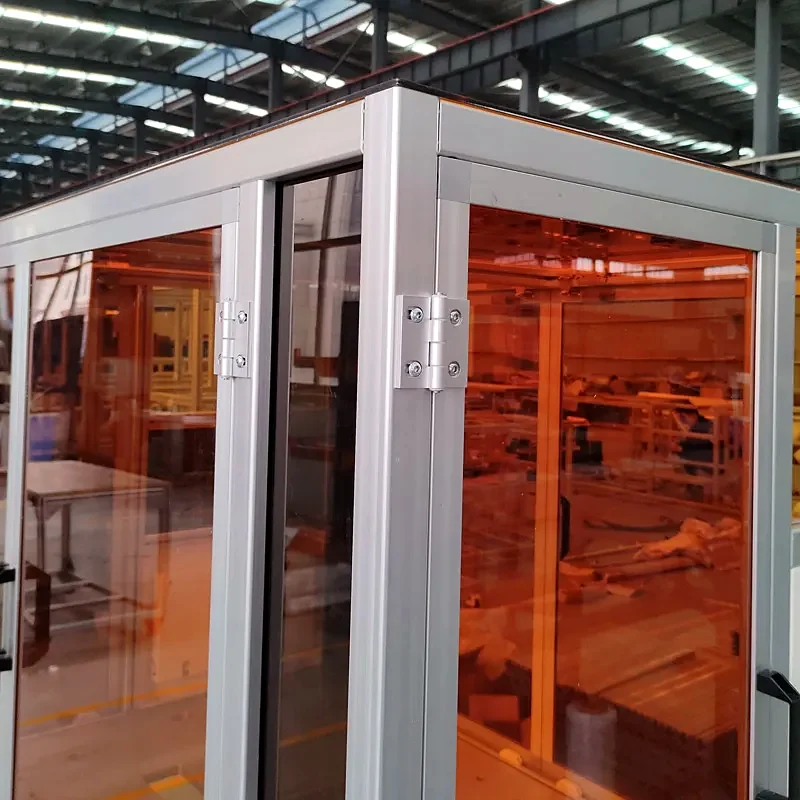
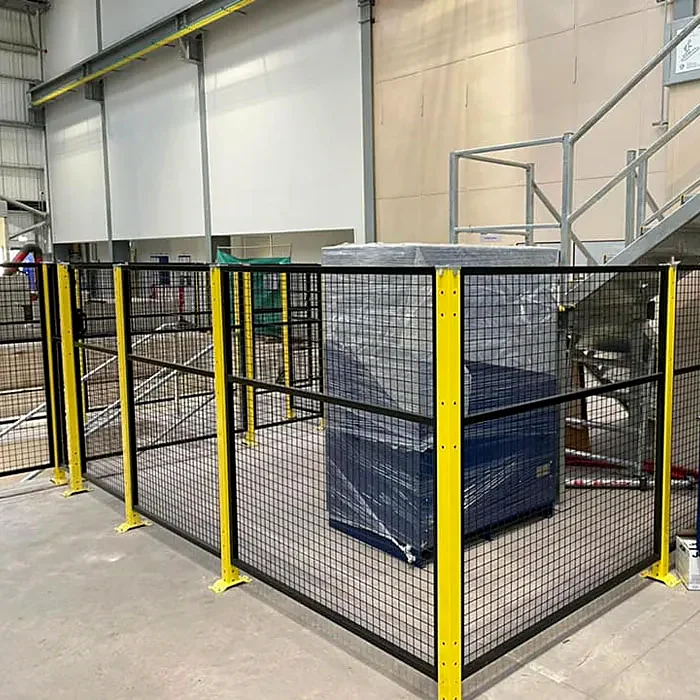
Contain rotating and trapping hazards.
Capping machines combine rotating tooling, belts, clutches, chucks, star wheels and container guides in a compact area. Operators may need frequent access for cap replenishment, jam recovery and format adjustment, so a simple fixed enclosure rarely resolves the whole task.
We map the closure route from bulk cap supply to final application, then design the boundary around every point where fingers, clothing or tools could reach hazardous movement.
- Spindle-wheel and belt nip points
- Rotating chuck and head access
- Star-wheel and scroll-feed trapping
- Cap-elevator, sorter and chute openings
Make changeover access deliberate.
Capper guards should support repeatable changeover without encouraging bypass. Access doors can be positioned around torque heads, guides, belts and tooling, with removable sections reserved for less frequent maintenance.
Clear panels help operators diagnose poor cap presentation and container jams. Openings for cap chutes and bottle conveyors are kept as small as practical and assessed for reach around, over and through the guard.
- Access to torque and height adjustments
- Tooling and format-part removal
- Sightlines to cap presentation
- Reach control at cap and bottle openings
Define stopping and restart by zone.
An opened capping guard may need to stop the capper alone or a wider packaging-line zone. That decision depends on shared hazards, container pressure, accumulation and access through connected machinery.
The safety-function requirement should describe the initiating device, affected movement, safe state, reset and restart conditions. Where unseen access is possible, reset positioning and additional protective measures need particular attention.
- Monitored access and anti-defeat selection
- Stop-zone definition
- Safe reset with view of the safeguarded area
- Integration with adjacent conveyors and machines