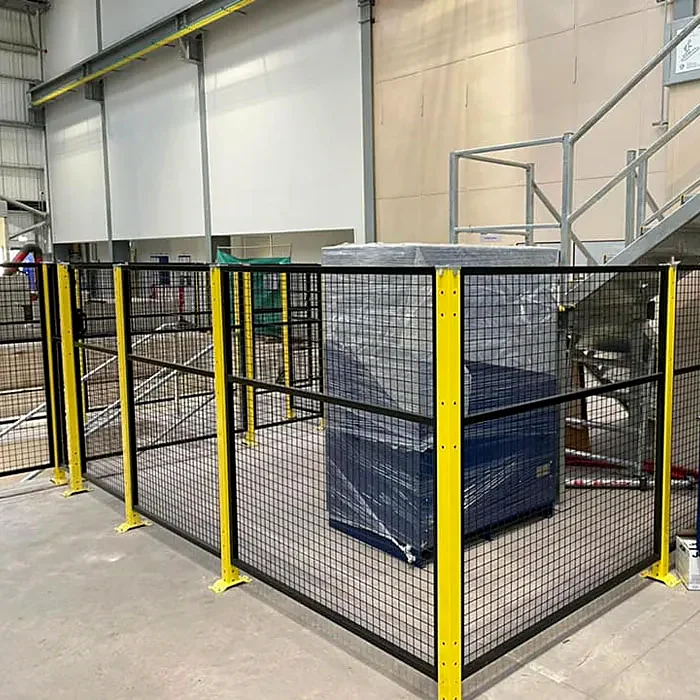
Machinery safety framework
Packaging Machine Guarding Compliance
Practical guarding developed in the context of PUWER, machinery risk assessment, designated standards and the responsibilities created by machine modifications.
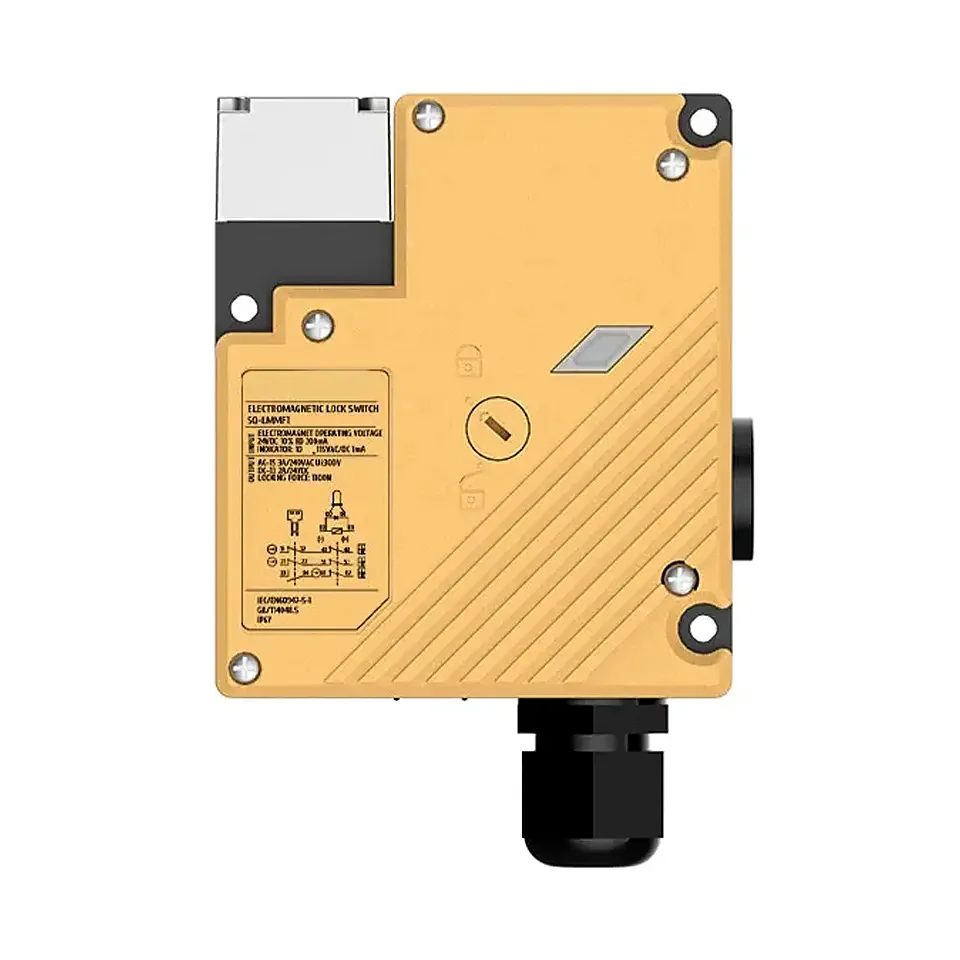
Engineering basis
Compliance begins with risk—not a component list.
A panel, fence or interlock is effective only when it addresses the identified hazard, access route and required safe response.
For packaging machinery already in use, the Provision and Use of Work Equipment Regulations 1998 (PUWER) place duties on those who own, operate or control work equipment. Guarding is one part of a wider set of duties covering suitability, maintenance, inspection, controls, information, instruction and training.
New machinery and certain major modifications may also fall within product-supply legislation. Where machinery is assembled into a complete line or substantially modified, the responsible organisation should determine the effect on the risk assessment, technical file, instructions and conformity marking before work is commissioned.
Important: This page provides general engineering information. It is not legal advice and does not replace a machine-specific risk assessment, competent safety-system design or confirmation of the dutyholder's responsibilities.
Common standards considered in guarding projects.
The edition and relevance of every standard should be confirmed for the particular machine and project. Standards are used as part of risk reduction; they do not remove the need to assess the complete application.
| Reference | Typical relevance |
|---|---|
| BS EN ISO 12100 | General principles for machinery risk assessment and risk reduction. |
| BS EN ISO 14120 | General requirements for the design and construction of fixed and movable guards. |
| BS EN ISO 13857 | Safety distances intended to prevent hazard zones being reached by upper and lower limbs. |
| BS EN ISO 14119 | Principles for the design and selection of interlocking devices associated with guards. |
| BS EN ISO 13855 | Positioning of safeguards with respect to the approach of the human body. |
| BS EN ISO 13849-1 / -2 | Design and validation of safety-related parts of control systems. |
| BS EN 60204-1 | Electrical equipment of machines and associated electrical design considerations. |
Do packaging machines need a PUWER assessment before guarding is changed?
For machinery already in use, a suitable assessment should establish the hazards, current safeguards, foreseeable access and actions required under PUWER before a guarding solution is selected. Oxford Machine Guarding can support site surveys, risk reviews and defined guarding scopes; the organisation controlling the work equipment remains responsible for its legal duties and for closing actions outside the agreed project boundary.
A PUWER review and a guard quotation are related but not identical. The assessment considers the wider machine and its use, while the guarding project translates defined risk-reduction requirements into physical guards, access systems and any agreed safety-control changes.
Packaging-specific machinery categories.
Packaging applications can also fall within machine-type standards in the BS EN 415 family. The relevant edition and status must be confirmed for the actual project. HSE guidance identifies the following categories as requiring particular attention:
| Packaging category | Guarding application |
|---|---|
| Pre-formed rigid containers | Bottling, filling, capping and labelling line guards. |
| Form, fill and seal | VFFS, sachet, pouch and thermoform machine guards. |
| Wrapping machinery | Flow-wrapper guards and other wrapping-machine safeguards. |
| Pallet wrapping | Turntable, rotary-arm and ring wrapper guarding. |
| Palletisers and depalletisers | Robot, layer and gantry palletising-cell guards. |
| Group packaging and strapping | Cartoner and case-packer guards plus strapping-machine guards. |
What a useful project record can include.
The appropriate documentation depends on whether the work is a mechanical guard replacement, an integrated safety modification or part of a new machine assembly. Agreeing the project boundary avoids gaps between designer, installer, machine owner and controls provider.
- Survey record and machinery boundary
- Relevant risk-assessment inputs and assumptions
- Guard layout, material and access drawings
- Safety-function requirements where included
- Component and device information
- Functional-test or validation records within scope
- Residual risks, exclusions and dutyholder actions
- Inspection and maintenance guidance
Authoritative sources.
For current legal and standards information, refer directly to the Health and Safety Executive PUWER overview, the HSE guidance on refurbished and modified machinery, and the current catalogue from the British Standards Institution.
Direct answers
Questions about guarding and compliance.
Early decisions about access, stopping and machine interfaces shape the whole guarding project.
Does fitting a guard make a machine PUWER compliant?
Not by itself. PUWER covers suitability, maintenance, inspection, information, training, controls and other matters as well as guarding. A guard can address specific risks within a wider compliance programme.
Which machine guarding standard applies?
The applicable standards depend on the machine, hazard, safeguard and project date. BS EN ISO 14120 addresses general requirements for guards, while other standards cover risk assessment, safety distances, interlocks, protective-device positioning and safety-related controls.
Can a retrofit affect UKCA or CE conformity?
Potentially. The responsible party should assess whether a modification is substantial and whether it affects the original machine or assembly risk assessment, technical documentation and conformity obligations.
Is a risk assessment required before guard design?
A suitable risk assessment is the basis for selecting and specifying safeguarding. It should consider the machine, all operating modes, foreseeable tasks, access routes and the effectiveness of existing measures.
Discuss your project
Review the machine before selecting the safeguard.
Send existing assessments, photographs, drawings and control information. We will help define the guarding engineering scope.
Representative application photography.