What movement or energy can cause harm?
Rotating, drawing-in, crushing, cutting, hot, pressurised and ejection hazards need different physical and control measures.

Packaging machine safety engineering
Design, manufacture and installation of guards for fillers, cappers, labellers, wrapping machines, conveyors and complete packaging lines.
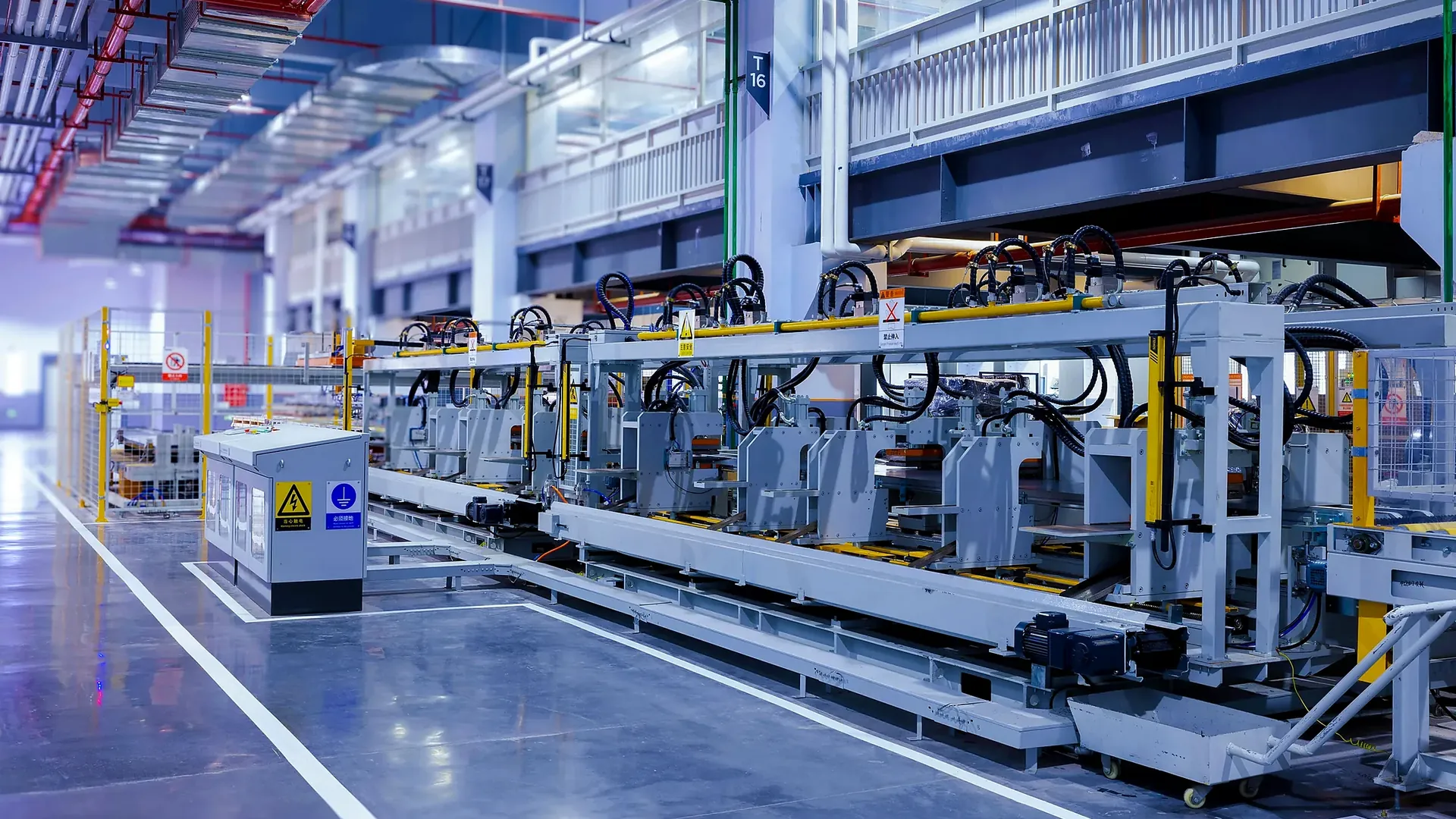
Machine-specific guarding
A useful packaging machine guard controls access without making replenishment, changeover, cleaning and maintenance impractical.
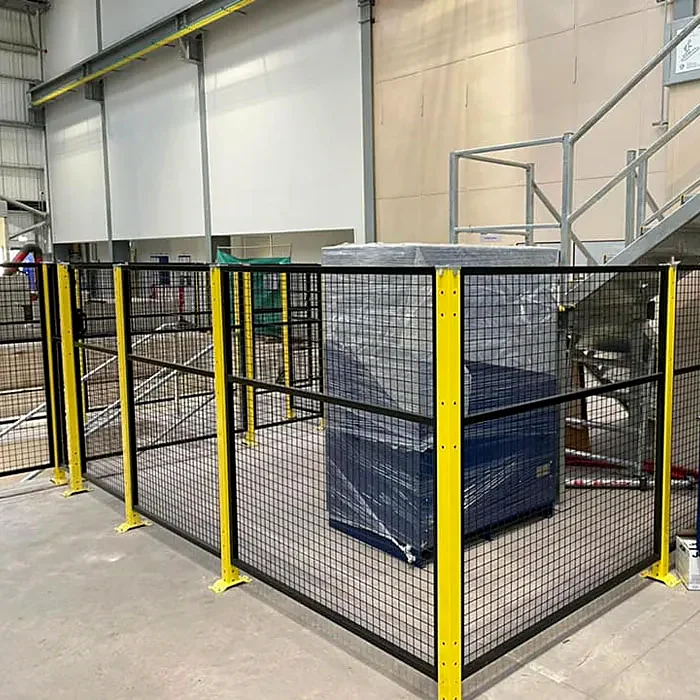
Access-controlled guarding for liquid, paste, powder and granular filling machines.
Safeguarding around spindle, chuck, press-on and cap-feed mechanisms.
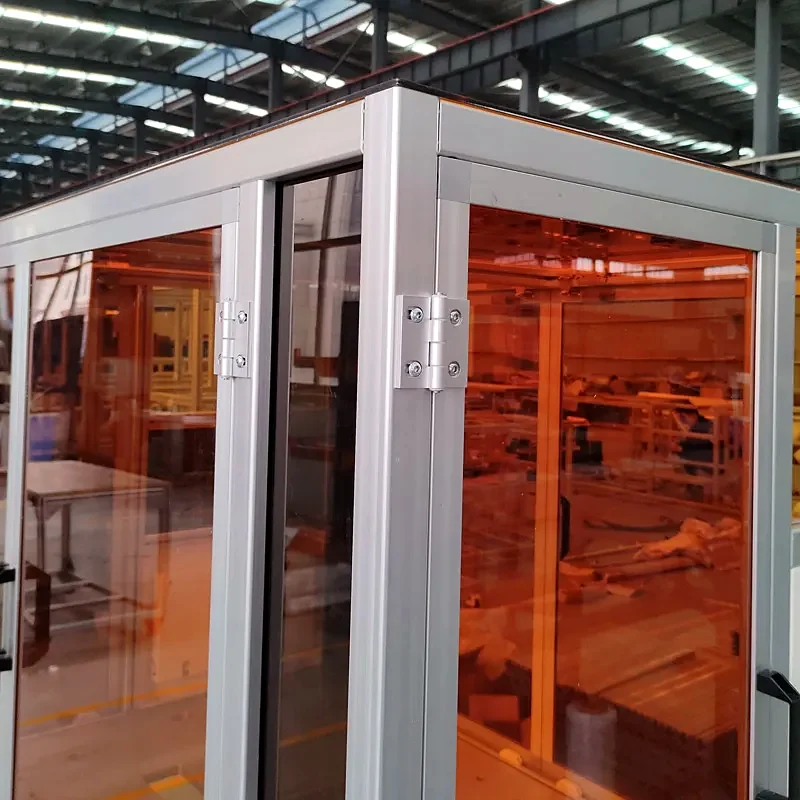
Visibility-led protection for wrap, front-and-back, sleeve and print-and-apply labellers.
Protection around sealing jaws, cutters, film handling, turntables and hot zones.
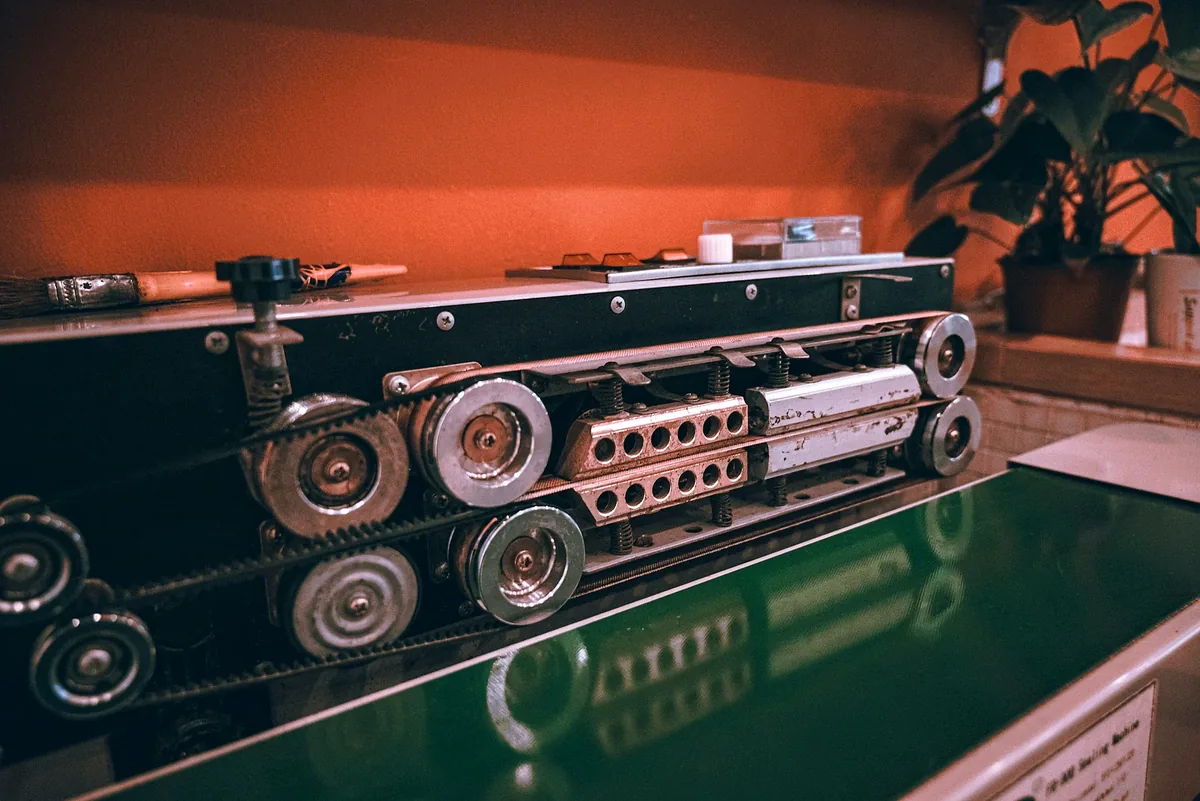
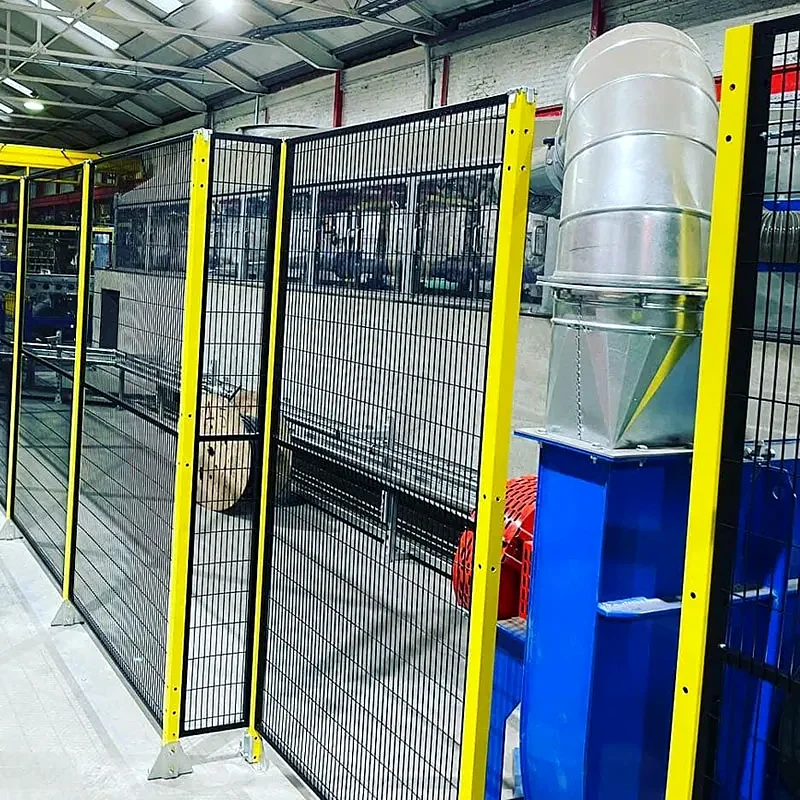
Protection for drives, transfers, accumulation points and under-conveyor access.
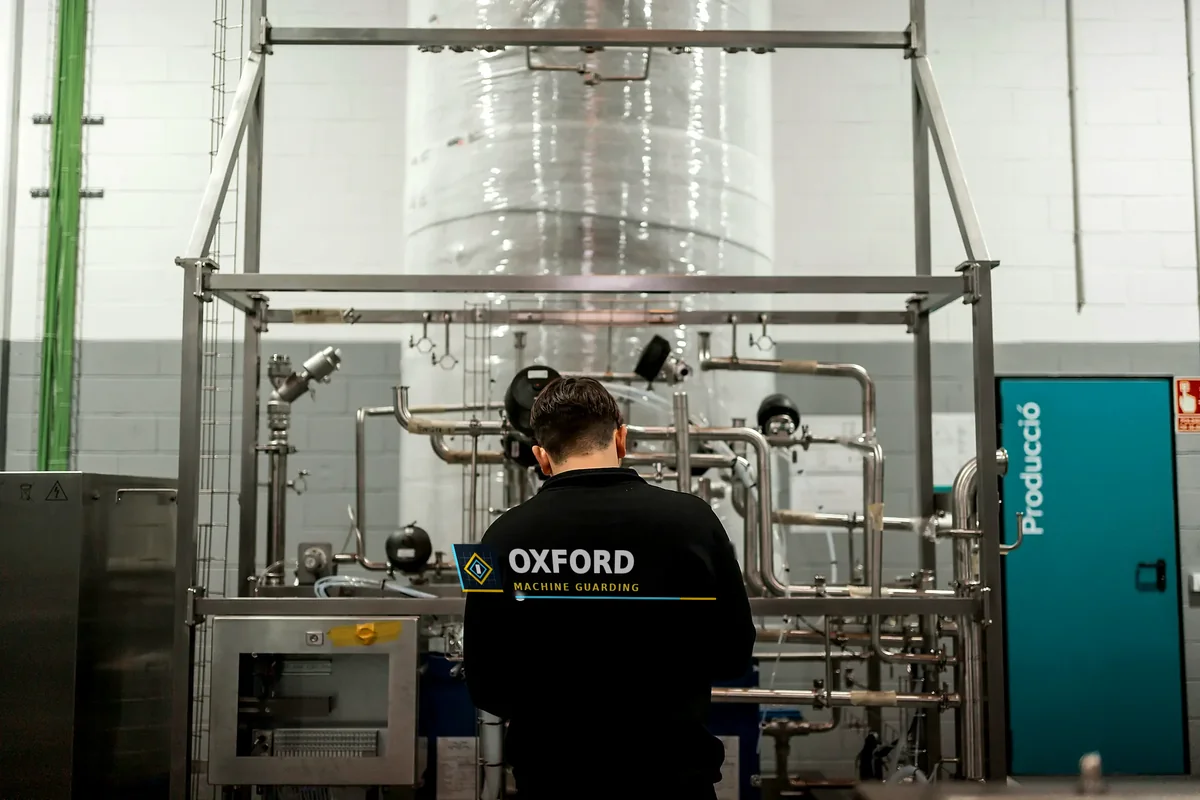
A coordinated guarding and access strategy across connected packaging machinery.
Common project requirements
Explore focused guidance for retrofit work, controlled access, material selection, surveys and secondary packaging machinery.
Made-to-measure upgrades planned around current machinery and production shutdowns.
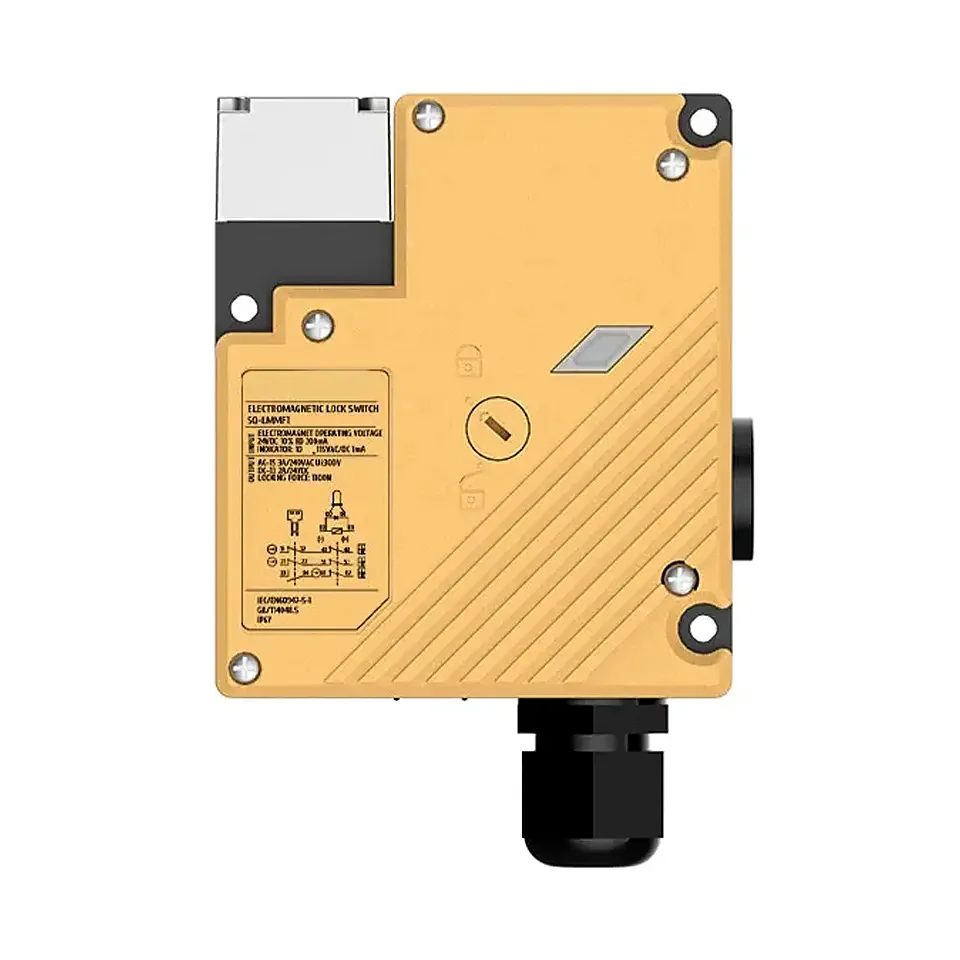
Guard doors, locking, reset and restart considered as one safeguarding function.
Cleanable guarding for food, beverage, wet and corrosive production areas.
Transparent panels and enclosures for monitoring products, labels and film.
Structured site evidence for concepts, quotations and practical upgrade scopes.
Protection around carton feed, packing, sealing and conveyor transfer hazards.
More packaging machinery applications
Detailed guidance now covers the packaging categories buyers most often need to retrofit, integrate or bring into a coordinated line-safety project.
Integrated safeguarding for rinsing, filling, capping, labelling and inspection.
Protection around film paths, forming tools, sealing jaws, dies and cutters.
High-visibility guarding for infeeds, film, sealing jaws and discharge.
Fencing, controlled access and protected pallet-transfer openings.
Safeguarding for turntable, rotary-arm and ring wrapping systems.
Protection for strap feed, sealing heads, presses and conveyors.
Cleanable guarding developed around washdown and frequent access.
Fencing, gates, interlocks and protected material openings.
Packaging line interfaces
Fillers, cappers, labellers and conveyors create shared hazards where equipment meets. A coordinated design reviews every transfer point, product opening and route into danger.
We develop the physical boundary together with the access strategy and the required machine response. That means doors, removable panels, service access, interlocks, stop zones and reset positions are considered as parts of one safety function.
Engineering decisions
The right answer comes from observing the process, not selecting panels from a catalogue.
Rotating, drawing-in, crushing, cutting, hot, pressurised and ejection hazards need different physical and control measures.
Production, replenishment, changeover, cleaning, jam clearance and maintenance each create a different access requirement.
The safe state, stop category, run-down, retained energy, reset and restart behaviour must be defined for the relevant zone.
Bottles, caps, labels, film, cartons and packs must move while reach to hazardous parts remains adequately controlled.
Cleaning chemicals, impact, heat, dust, moisture and hygiene requirements influence frame, infill and fixing selection.
Survey accuracy, off-site manufacture, shutdown planning and phased installation help protect production continuity.
Construction options
Guard construction is selected around the risk, environment and operating task. The answer may combine several materials and access methods across one line.
Survey to handover
Clear scope boundaries and early interface decisions reduce changes during installation.
Observe machinery, hazards, tasks, access routes, interfaces and stopping behaviour.
Develop the guarding arrangement, materials, access points and safety-function scope.
Fabricate frames, panels, doors, infills and mounting details away from production.
Plan the shutdown, fit the system and integrate agreed interlocks or protective devices.
Record the agreed checks, provide project information and explain inspection needs.
Useful first review
Send enough context for us to understand the line boundary, the access task and the project constraints.
Direct answers
Early decisions about access, stopping and machine interfaces shape the whole guarding project.
Yes. A retrofit normally begins with a survey of the existing machinery, controls, access needs and production constraints. Guarding can then be designed for the available space and installed within an agreed shutdown window. Any effect on conformity assessment or the machine assembly should be considered as part of the modification scope.
Often. Clear polycarbonate or other transparent panels can maintain process visibility, but panel grade, thickness, impact performance, chemical exposure, heat and cleaning methods must be appropriate to the application.
Not automatically. The correct safeguard depends on the risk assessment, access frequency, stopping time and ability to reach the hazard. Frequently opened doors around moving hazards commonly require monitored interlocking, and guard locking may be needed where run-down or retained energy prevents an immediate safe stop.
Potentially. A complete packaging line can be divided into logical safeguarded zones, but the interfaces, stop response, reset locations and whole-body access risks must be engineered for the combined assembly rather than treated as separate pieces of fencing.
Often. Accurate survey information and off-site manufacture can reduce site work. Larger projects can be divided by machine or line zone, with temporary arrangements and shutdown boundaries agreed before installation.
Overall photographs, a layout, machine makes and models, the hazards of concern, current guard and control information, required access tasks, site location and preferred shutdown dates are a strong starting point.
Discuss your project
Send photographs, a line layout or a short description. We will help define whether the right next step is a desktop review, site survey or guarding concept.
Follow the pack through feeding, processing and discharge, noting where operators load materials or clear faults. Include cutters, sealing areas, drives and transfer points in the assessment. Review physical guards and control interfaces together, with particular attention to changeover, cleaning and restart after access.
Representative application photography. Garment branding in the site-survey photograph is digitally retouched.
Planning a guarding project?
Send photographs, a layout and a short description. Oxford Machine Guarding will help define whether the next step is a desktop review, site survey or guarding concept.