Industrial machine guarding · Oxfordshire based · UK-wide projects

Call 01865 416840   ·   sales@oxfordmachineguards.co.uk

Automatic case, carton and pallet strapping

Strapping & Banding Machine Guards

Purpose-designed protection around strap feed and recovery, tensioning, sealing heads, presses, guides, conveyors and integrated pallet or case-handling equipment.

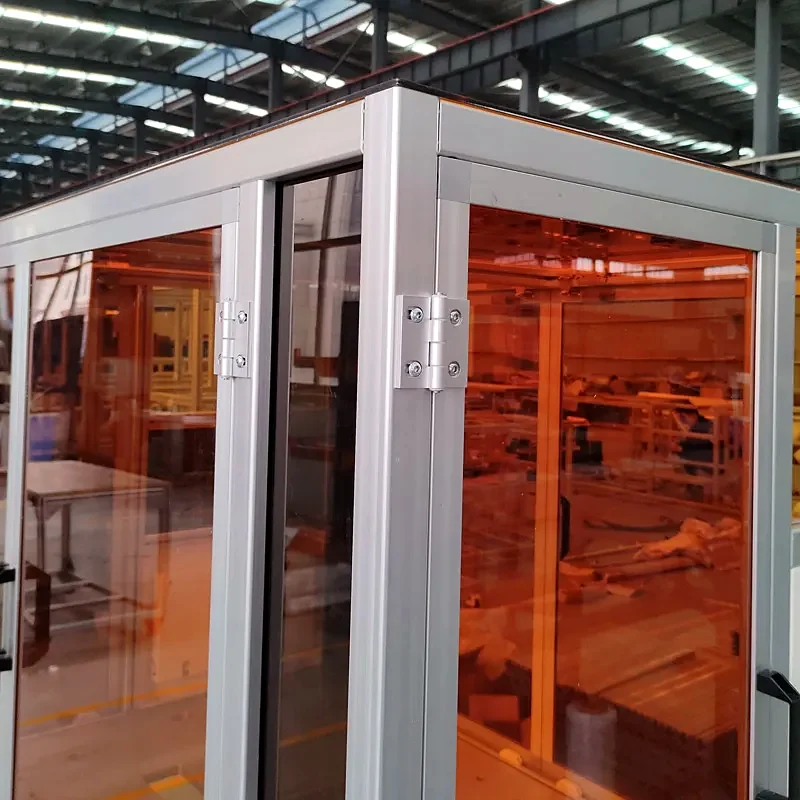
Aluminium machine enclosure with orange transparent panels and access doors.
Project coverageOxfordshire based · UK-wide
Delivery scopeSurvey to installation
ApplicationsNew lines and retrofits
Design basisHazard · access · response

Direct answer

What hazards are present on an automatic strapping machine?

Automatic strappers can include fast strap feed and retraction, tensioning, heated or friction-weld sealing, powered presses, moving guides and conveyor transfers. Pallet systems may add lances, squaring devices, turntables and whole-body access risks.

Send photographs or arrange an engineering review →

Technical context

HSE lists strapping machines as a distinct packaging-machinery category and emphasises safe operation, maintenance and blockage clearing. Read the HSE packaging machinery guidance.

This page is general guidance; the safeguarding solution must be based on the specific machine and current risk assessment.

Control fast strap, head and press movement.

The strap path can accelerate, tension and retract unexpectedly. Sealing heads, cutters, arch mechanisms, compression platens and moving guides introduce trapping, cutting and hot-surface hazards.

Guarding follows the entire sequence, including the underside and rear of the machine where drives, strap accumulators and feed mechanisms may remain accessible.

  • Feed, retract and tensioning mechanisms
  • Sealing head, cutter and hot components
  • Compression platens and squaring guides
  • Arch, lance and strap-accumulator movement

Design openings around the actual pack or pallet.

The product opening must pass cases, cartons or pallets without becoming a reach or whole-body access route. The solution can use close-fitting tunnels, distance, interlocked doors or protective devices according to the load and risk.

Format variation matters. Maximum load dimensions, unstable products, strap tails and misaligned packs are considered before the guard geometry is fixed.

  • Minimum and maximum pack envelope
  • Case or pallet overhang
  • Infeed and outfeed transfer nips
  • Misfeed and broken-strap recovery

Make strap loading and service access deliberate.

Operators need to load coils, thread strap, remove waste and service the sealing head. Access points are placed around these tasks and linked to a defined safe machine state.

When the strapper is part of a palletising or wrapping cell, zone control and reset arrangements should be coordinated across the connected equipment.

  • Coil loading and handling route
  • Strap threading and splice access
  • Head cleaning and maintenance
  • Integrated end-of-line stop zones

Engineering decisions

What must be resolved before manufacture.

The guarding, access and machine response are designed as one safeguarding system.

01 / Strap path

Prevent contact with fast feed, recoil and tensioning movement.

02 / Sealing process

Consider cutter action, heat, friction welding and stored tension.

03 / Compression

Guard presses, squaring devices and moving load guides.

04 / Openings

Pass the intended load without unnecessary access to the hazard zone.

05 / Recovery

Provide safe routes for broken strap, misfeeds and jammed loads.

06 / Integration

Coordinate conveyor, palletiser and wrapper controls where connected.

Application map

Hazard and safeguarding priorities.

This table supports early project scoping; it does not replace a machine-specific assessment.

Area or machineTypical concernDesign priority
Case strapperFeed head, arch, cutter and conveyor nipsCompact clear enclosure with task-led service doors
Pallet strapperLance, head, load movement and whole-body accessPerimeter guarding and protected pallet transfers
Compression strapperPlatens, squaring and retained load energyInterlocked access with defined safe state
Integrated strapping cellConveyor, turntable, wrapper and palletiser interfacesCoordinated zones, reset and material openings

Direct answers

Questions about strapping & banding machine guards.

Clear early answers help define the right survey, design and installation scope.

Can a guard be fitted around an existing carton strapper?

Yes, subject to survey. The machine frame, product opening, coil loading, service access, stopping performance and existing electrical controls need to be reviewed.

How is the strap coil changed after guarding is installed?

The layout can provide a dedicated loading side, door or removable tool-controlled panel sized for the coil and handling method. The required safe machine state is defined with the access task.

Can pallet strapping openings use light curtains?

Potentially. Load shape, sensor geometry, stopping distance, muting sequence and person-access risk determine whether light curtains are suitable and how they must be integrated.

Does the guarding cover hot sealing components?

The design considers both mechanical and thermal hazards. Physical separation, insulation, warnings and cooling or isolation procedures may all be relevant.

Related systems

Continue the guarding review.

Packaging hazards often cross machine boundaries, so connected equipment and access tasks should be reviewed together.

Discuss your project

Discuss your strapping machine guarding project.

Send photographs, a line layout or a short description. We will help define whether the right next step is a desktop review, site survey or guarding concept.

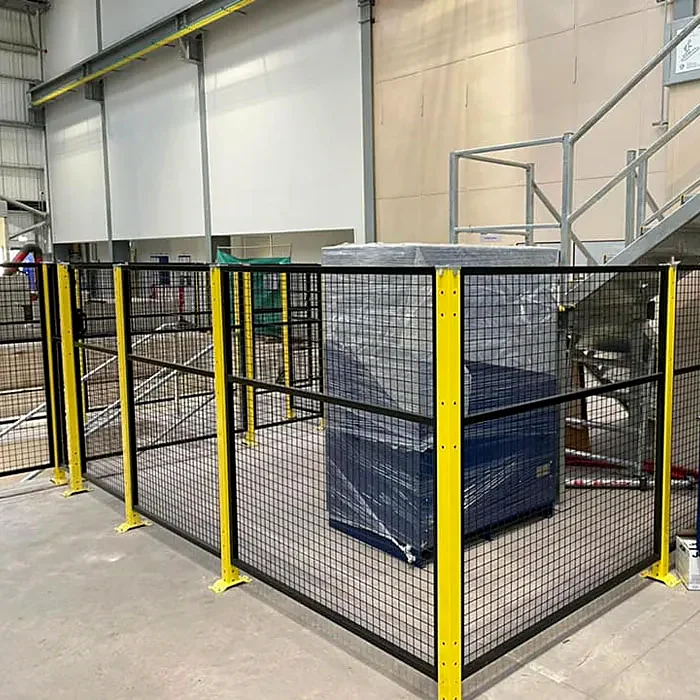
Representative application photography.

Call 01865 416840Send enquiry